

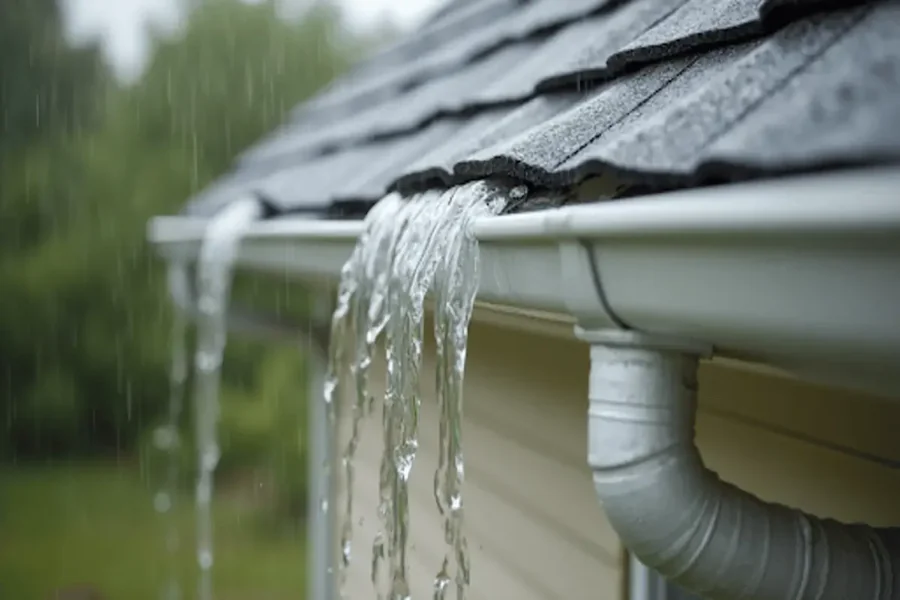
Many homeowners are surprised to find water spilling over their gutters even after a thorough cleaning. While it’s easy to assume that clean gutters should function perfectly, several hidden factors can cause overflow issues. These problems can lead to water damage, foundation issues, and even compromise the integrity of your roof. Understanding why this happens is crucial for maintaining your home’s exterior and preventing costly repairs. This article delves into the common reasons for gutter overflow despite regular cleaning, how to identify underlying issues, and what steps you can take to ensure your gutters and drainage system work as intended.
What Causes Overflow After Cleaning?
Gutter Pitch and Alignment Problems
One of the most overlooked reasons for gutter overflow is improper pitch or alignment. Gutters are designed to channel water toward the downspouts, but if they are not installed at the correct angle, water can pool and spill over the sides. Over time, gutters can sag due to the weight of water, debris, or even snow, causing them to lose their original slope. This misalignment prevents water from flowing efficiently, leading to overflow even when the gutters are free of leaves and dirt. Homeowners may notice water pooling in certain sections or dripping from the middle of the gutter run, which are clear signs of pitch issues. Regular inspection of the gutter alignment and prompt correction can help prevent these problems from escalating.
Downspout Blockages and Drainage Issues
Even if your gutters are spotless, downspouts can become clogged with debris that has made its way through the system or with sediment buildup at the base. When downspouts are blocked, water has nowhere to go and backs up, causing gutters to overflow during heavy rain. Sometimes, the problem lies underground, where the drainage pipes connected to the downspouts become clogged with roots, soil, or other obstructions. This is a common issue in areas with mature landscaping or older homes. In some cases, the downspouts themselves may be too narrow or insufficient in number to handle the volume of water coming off the roof, especially during intense storms. Homeowners in regions like Carrollton may find that their gutter systems are not adequately sized for local weather patterns, making it important to consult with a professional who understands the unique challenges of Roofing Carrollton TX.
Roof Surface and Water Volume
The size and slope of your roof play a significant role in how much water your gutters must handle. A steep or large roof can shed water rapidly, overwhelming gutters that are too small or not designed for high-capacity drainage. During heavy rainfall, the sheer volume of water can exceed the gutter’s ability to channel it away, resulting in overflow. Additionally, certain roofing materials, such as metal or slate, allow water to run off more quickly than asphalt shingles, increasing the demand on your gutter system. If your home has recently undergone a roof replacement or upgrade, it’s important to ensure that your gutters are compatible with the new roof’s characteristics. Otherwise, you may experience persistent overflow issues despite keeping the gutters clean.
Quick Fixes vs. Long-Term Solutions
Some homeowners attempt quick fixes like adding gutter guards or screens, hoping to prevent debris from entering the system. While these products can reduce the frequency of cleaning, they do not address underlying issues such as improper pitch, undersized gutters, or inadequate downspouts. In fact, gutter guards can sometimes exacerbate overflow by trapping small debris or causing water to sheet over the edge during heavy rain. The most effective long-term solution is to assess the entire drainage system, including the roof, gutters, downspouts, and underground pipes. Professional evaluation can identify hidden problems and recommend upgrades or repairs that will ensure your gutters function properly in all weather conditions.
The Impact of Local Weather
In regions with frequent storms or heavy rainfall, gutter systems are put to the test. Sudden downpours can overwhelm even well-maintained gutters if they are not designed for high-capacity drainage. Local climate plays a significant role in determining the appropriate size and configuration of gutters and downspouts. Homeowners should consider the average rainfall and storm intensity in their area when selecting or upgrading their gutter system. In places like Carrollton, where weather can be unpredictable, investing in a robust drainage solution is essential for protecting your home from water damage.
When to Seek Professional Help
If you have addressed visible issues and your gutters still overflow, it may be time to consult a professional. Persistent overflow can indicate structural problems with your roof or fascia, hidden blockages in underground drainage, or even foundation issues caused by improper water management. A professional inspection can uncover problems that are not immediately apparent and provide recommendations tailored to your home’s specific needs. Timely intervention can prevent minor issues from turning into major repairs, saving you time and money in the long run.
Conclusion
Gutter overflow despite clean channels is a frustrating problem that can lead to significant damage if left unresolved. The causes often go beyond simple debris buildup and may involve gutter alignment, downspout blockages, roof design, or inadequate drainage capacity. Understanding these factors is the first step toward finding a lasting solution. Regular inspections, proper maintenance, and professional guidance can help ensure your gutter system works efficiently, protecting your home from water-related issues. By addressing the root causes of overflow, you can maintain the integrity of your property and avoid costly repairs in the future.
