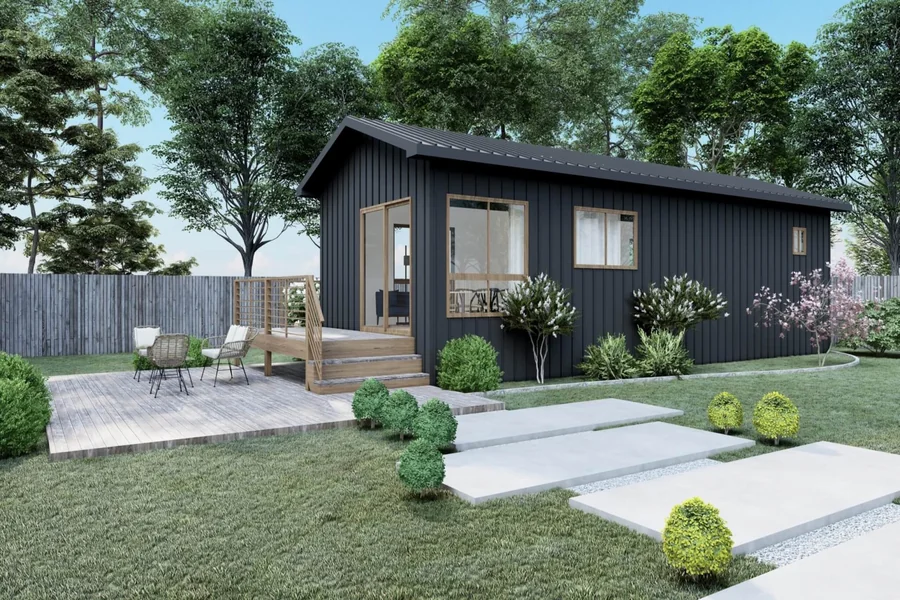
Designing a granny flat isn’t just about creating more space — it’s also about ensuring both households can live comfortably, with a strong sense of independence. Whether the granny flat is for extended family, guests or future tenants, privacy plays a huge role in how well the two dwellings function together.
With the right floor plan, you can create separation without sacrificing flow, natural light or outdoor usability. Below are the most effective strategies for planning a granny flat that feels private, peaceful and self-contained.
Why Privacy Matters in Dual Living
A well-planned layout that prioritises privacy enhances:
- daily comfort
- noise control
- rental suitability and income potential
- long-term property value
- personal space and boundaries
- the feeling of independence for both households
True privacy comes from thoughtful design — not just distance — and begins with how your floor plan responds to your block.
Use Orientation to Your Advantage
How you position the granny flat on the land can instantly improve separation from the main home.
1. Turn Living Spaces Away From the Main House
Direct key areas such as living rooms, decks and entries toward:
- the side boundary
- the rear of the property
- a private courtyard
- screened garden zones
This reduces visibility and creates a more independent feel.
2. Place Bedrooms on the Quiet Side
Position bedrooms on the side of the granny flat furthest from the main dwelling to limit noise transfer and increase comfort.
3. Avoid Direct Window Alignment
Subtle shifts in placement — even by a metre or two — or a slight angle in the design can prevent windows from facing each other.
Choose Floor Plans That Naturally Create Separation
The shape and layout of the granny flat can strongly influence privacy.
1. L-Shaped Designs
An L-shaped configuration offers:
- a built-in private courtyard
- natural visual screening
- the ability to tuck living spaces behind another wing
These layouts work especially well on narrow or corner blocks.
2. Central Living With Bedrooms at Opposite Ends
This design spreads out the floor plan, keeping bedrooms from facing the main home and reducing noise overlap.
3. Side Entry Floor Plans
A side-oriented entry creates a sense of independence and prevents cross-traffic between households.
4. Linear Plans Along Boundaries
A long, slim footprint along one boundary naturally directs movement and views away from the primary home.
Use Smart Window Placement for Visual Privacy
Where you place windows strongly impacts how private each home feels.
Best strategies include:
- highlight windows that let in light without creating sightlines
- orienting windows to face gardens or courtyards
- minimising large windows on the main-house side
- using corner windows that direct views sideways
- adding skylights for additional light without compromising privacy
These techniques ensure both dwellings stay bright while maintaining separation.
Outdoor Areas Matter — More Than Most People Expect
Outdoor zones often determine whether the granny flat feels like an independent home.
1. Separate Outdoor Living Spaces
Give both households their own outdoor space to relax and entertain without overlap.
2. Use Landscape Screening
Trees, hedges, shrubs and layered planting create soft, natural barriers.
3. Add Fencing or Privacy Screens
Slatted screens, timber panels or decorative fencing offer additional separation.
4. Position Outdoor Living Toward the Rear
Rear-facing patios and decks tend to offer the best privacy and usability.
Incorporate Noise Separation Into the Layout
Sound separation is just as important as visual privacy.
Effective planning strategies include:
- placing bathrooms, laundries or storage along the wall closest to the main home
- upgrading certain internal walls with acoustic materials
- ensuring living areas don’t back directly onto bedroom windows
- keeping bedrooms away from driveways or parking zones
Small design choices can make a big difference in comfort.
Designing Private Pathways and Entry Points
Independent access reinforces privacy and clear boundaries between dwellings.
Consider:
- a dedicated side pathway
- a private and clearly defined entry porch
- separate parking spots
- direct access to the granny flat’s own outdoor area
Thoughtful access planning helps the granny flat feel like a completely separate home.
Bringing It All Together: Privacy Through Smart Planning
The most effective floor plans for privacy between the main house and granny flat all include:
- living areas oriented away from the primary home
- windows placed thoughtfully for light without direct views
- clearly defined outdoor zones
- strategic positioning for maximum separation
- acoustic zoning for reduced noise
- private, independent entry paths
By designing with privacy as a priority, you can create two functional, independent homes that enhance comfort, liveability and long-term property value.