

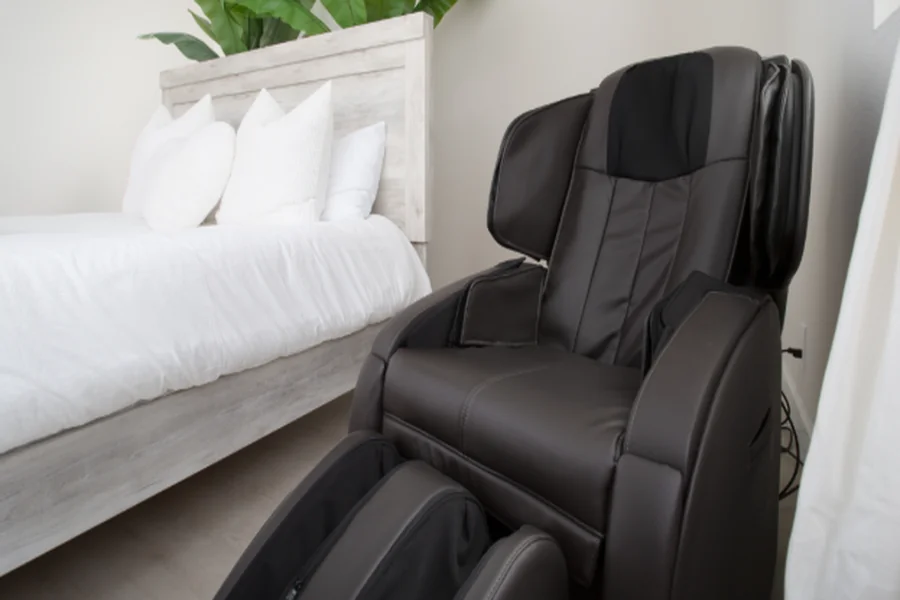
Your back has been aching for three days straight. Your shoulders feel like poured concrete. A massage appointment sounds ideal, except your calendar’s a disaster and those session costs keep stacking up. Sound familiar? It’s no surprise that more people across the USA are asking this exact question. And honestly, the answer isn’t clean or simple.
This guide cuts through the noise on the massage chair vs massage therapist debate using real data, so you can make a decision that actually fits your body, your budget, and your life.
Massage Chair vs Massage Therapist: Core Differences That Actually Matter
They both deliver massages. That’s roughly where the similarities end. At a deeper level, these two options work from entirely different principles, and those differences matter more than most people realize before they spend money on either.
What Professional Massage Actually Involves
Licensed massage therapists complete hundreds of clinical training hours before working with a single client. They assess your posture, screen for contraindications, read your feedback in real time, and dynamically adjust every session accordingly. Walking into a spa or clinic isn’t just paying for a rubdown; it’s a structured clinical interaction driven by professional judgment.
Therapists can navigate scar tissue, nerve entrapment, and surgical histories. That human reasoning loop? It’s genuinely irreplaceable in complex cases. No algorithm replicates it.
What Today’s High-End Massage Chairs Actually Do
Modern chairs have come a long way, further than most people expect. Features like 3D and 4D rollers, SL-track systems, full body-scanning sensors, zero-gravity recline, heat panels, and airbag compression allow these machines to replicate kneading, tapping, shiatsu, rolling, and reflexology with striking accuracy.
Many premium massage chairs across the USA are engineered with clinical-level precision that goes well beyond basic vibration motors. Most quality chairs hold up for 7–10 years under regular use and typically carry warranties ranging from one to five years.
Relaxation vs Treatment: The Real Comparison
The smarter question isn’t “which is better”, it’s “better for what?” Chairs excel at consistent stress relief, daily relaxation, and maintenance-level muscle recovery.
Therapists remain irreplaceable for post-injury rehabilitation, complex chronic pain management, and specialized clinical work. Keep that distinction close as you read on.
Massage Chair Benefits vs Professional Massage: Health and Wellness Impact
Numbers tell a useful story here. In 2024, 72% of surveyed buyers ranked back pain relief as their primary reason for purchasing a massage chair, with stress relief (65%) and improved sleep quality (49%) following closely behind.
That data reflects what most users quietly already know: these chairs are solving real problems, not just offering luxury comfort.
Back, Neck, Shoulders, and Legs: Everyday Pain Relief
For desk workers, long-haul drivers, and anyone spending hours hunched over a screen, both options deliver meaningful tension relief. The key difference is depth and specificity. Chairs handle general muscular tightness with genuine effectiveness. Therapists, however, can pinpoint and treat specific trigger points driving referred pain into your neck or down your arm.
Symptom relief from a quality chair? Don’t underestimate it. Root-cause correction almost always needs a therapist working alongside proper ergonomic and movement changes.
Chronic Pain Conditions: Where Lines Get Blurry
Chronic low back pain, neck pain, arthritis, and recurring tension headaches all respond to regular massage stimulation. Daily chair use can safely ease persistent symptoms, but if you’re managing fibromyalgia, degenerative disc disease, or a surgical history, medical clearance before relying on a chair as primary therapy isn’t optional. It’s essential.
Therapists bring clinical reasoning to complex cases. No programmed setting replicates that.
Stress, Sleep, and Mental Health Benefits
Both options reduce cortisol and support your nervous system’s recovery. Where chairs genuinely earn their place is in daily “micro-sessions”, short, consistent use that gradually trains your body toward a calmer baseline. That’s legitimately valuable for managing anxiety and improving sleep quality over weeks and months.
Therapists can layer in trauma-informed touch, guided pacing, and emotional attunement. No machine delivers that. Full stop.
Can a Massage Chair Replace a Massage Therapist for Different Users?
The honest answer depends entirely on who you are and what you actually need. Here’s a useful breakdown:
| User Type | Chair Replaces Therapist? | When a Therapist Is Still Needed |
| Busy Professional | Mostly, for daily wellness | Severe trigger points, new injuries |
| Chronic Pain Sufferer | Partially, as an adjunct | Complex cases, medical oversight |
| Athlete | For recovery maintenance | Movement dysfunction, sports prep |
| Senior | For gentle daily use | Blood-thinning meds, osteoporosis |
| Trauma/Sensory Sensitivity | Often, yes, for comfort | Trauma-informed nuanced support |
Desk Workers and Stressed Professionals
Long hours plus screen time plus commuting equals entirely predictable tension patterns. For most office workers, a chair handles routine wellness needs effectively, no booking, no travel, no scheduling headaches. Monthly therapist visits remain a smart call for anything stubborn that builds up over time.
People Managing Chronic Pain or Medical Conditions
For those dealing with chronic back pain, arthritis, or neuropathy, a quality chair offers safe, cost-effective daily relief. Think of it as a complement to your care team, not a replacement. Always discuss chair use with your physician or physical therapist before starting, particularly if your condition involves nerve involvement or joint instability.
Athletes and Active Users
Recovery stacks built around a massage chair, mobility work, and foam rolling are genuinely effective, and the numbers back that up. Over 40% of athletes use percussive or pneumatic massage chairs for post-training recovery, confirming chairs belong in serious recovery routines, not just luxury living rooms.
That said, gait analysis, movement dysfunction, and sports-specific manual preparation? Still a therapist’s territory.
Cost, Time, and Convenience: The 5–10 Year Picture
What Sessions Actually Cost Over Time
A professional massage in the USA typically runs $80–$150 per session, including tip. Monthly visits cost $960–$1,800 annually.
Weekly sessions push that to $4,160–$7,800 per year. A solid mid-range chair runs $3,000–$8,000 upfront and can deliver 3–7 sessions weekly for years. Within 18–24 months, the math shifts clearly in favor of the chair for frequent users.
HSA, FSA, and Insurance Considerations
Professional massage with a physician’s prescription may qualify for FSA reimbursement. Certain massage chairs, particularly those prescribed as durable medical equipment, may also be partially eligible for HSA/FSA coverage. Check OSIM’s dedicated HSA/FSA eligibility page for the specifics, because this can meaningfully shift your real out-of-pocket cost.
Making the Right Call for Your Body
A quality massage chair for pain relief and consistent daily wellness works remarkably well for most people, most of the time. Today’s best chairs come surprisingly close to replicating professional sessions for everyday needs.
A hybrid approach that combines regular chair use with periodic therapist visits tends to deliver the best long-term outcomes. For acute injuries, complex clinical conditions, or emotional support needs, a therapist remains essential. For everything else, a well-chosen chair may be one of the smartest long-term wellness investments you’ll ever make.
Try before you buy, loop in a healthcare provider when pain is complex, and trust the data over the marketing copy.
Frequently Asked Questions
Can a massage chair completely replace a therapist for chronic back pain?
Not entirely. A chair delivers valuable daily relief and symptom management, but complex chronic pain typically requires clinical assessment and targeted manual therapy that no chair can independently replicate.
Is daily massage chair use safe, and how long should sessions run?
Daily use is generally safe for healthy adults. Aim for 15–20 minutes per session. Longer or more intense sessions can cause muscle soreness, especially for first-time users still calibrating their intensity settings.
Are high-end chairs as effective as deep tissue or sports massage for athletes?
For recovery and circulation, top-tier chairs perform impressively. But deep tissue work targeting specific adhesions or movement dysfunctions still requires a skilled therapist with hands-on assessment capability.
Can a massage chair help with sciatica, herniated discs, or pinched nerves?
Chairs can ease associated muscular tension and offer temporary relief. However, structural nerve compression requires professional evaluation first. Using a chair without medical clearance for these conditions carries a real risk of aggravation.
Can HSA or FSA funds cover a massage chair purchase?
Possibly. Some chairs qualify for reimbursement when prescribed for a documented medical condition. Check with your plan administrator and review brand-specific eligibility pages for the most accurate guidance.
