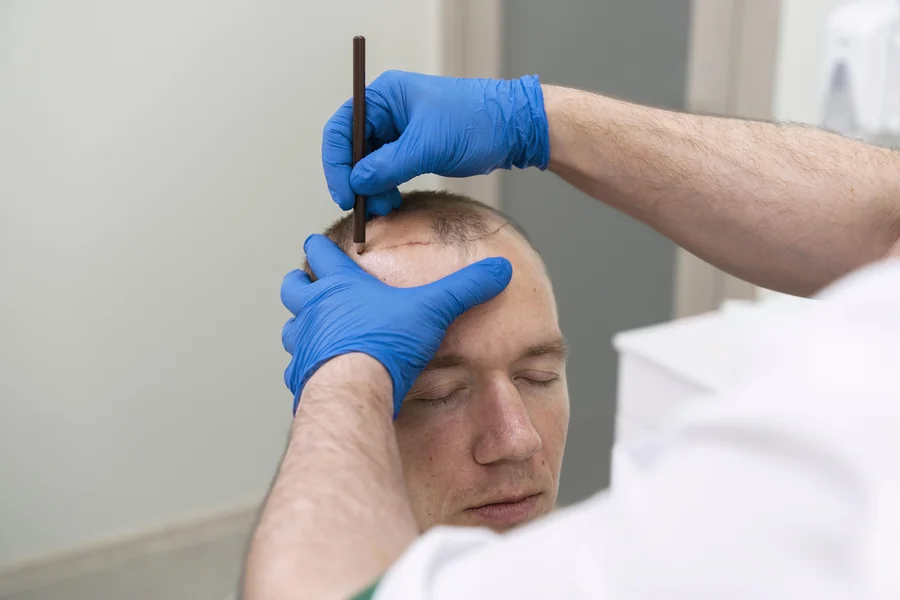
Hair grafting was initially a cosmetic procedure but has now become a global industry driven by innovation, image, and entrepreneurialism. Every year, the sector grows as people continue to seek long-lasting solutions to hair loss, and practitioners continue to improve methodologies to provide a natural look to customers and consumers worldwide. To understand the business and how this hair restoration market is driven by innovation and image, it is necessary to look deeper than its advances and reach its underlying complexities and linkages to success and professionalism, as outlined in the following five insights:
Market Demand and the Psychology of Confidence
Hair loss can cause a decline in self-esteem, professional presence, and social confidence, thereby turning desire into investment in restoration. Such clinics, which understand client psychology better, design experiences by assuring empathy, reassurance, and discretion. Successful businesses focus on education rather than pressure in convincing clients about realistic outcomes while building trust with them. Marketing strategies often stress personal transformation stories, which resonate more deeply than technical descriptions. This situates hair transplantation as a life-enhancing decision rather than a cosmetic luxury. With greater awareness through social media and influencer culture, demand continues to expand across age groups, opening up opportunities for clinics that convey authenticity and credibility.
Technology as a Competitive Advantage
Advanced technology has significantly influenced the outcome of procedures, as well as the marketing position of the clinic itself. Technologies like FUE, robots, and imaging enhance the marketing position to a great extent, suggesting a promise of precision, reduced downtime, and natural density to the public, many of whom are ready to undergo procedures after researching the techniques extensively, making the level of technical expertise essential to the success of the marketing efforts. Therefore, the level of training is very useful, particularly for surgeons, to stay abreast of the latest techniques to remain competitive in the marketplace, which has witnessed an influx of new enterprises in this field.
The Rise of Elite Clinics and Global Reputation
There is a notable trend within the industry; that is, many clinics are specifically focusing on being elite, delivering personalized care, and gaining an international reputation. This is most evident within Australia, where premium clinics specialize in meticulous consultation, ethical transparency, and a luxury approach towards health that attracts many of its potential customers simply because they believe that such quality is beyond the need for convenience itself. Individuals often choose professional hair grafting in Sydney if they want to achieve outstanding, natural-looking outcomes. These clinics focus on long-term relationships rather than high-volume turnover, which strengthens trust and elevates brand authority.
Regulation, Ethics, and Long-Term Sustainability
Success in hair grafting is heavily linked to ethical considerations and regulatory requirements. Here, the clients have the responsibility to trust the hair restoration practitioner with not only how they look but also how they feel. Therefore, clinics in this field are more associated with those that provide real value in meeting clients’ expectations. In the modern world, clients are focusing more on the authority requirements. In this case, hair transplantation businesses are more related to those organizations that are willing to go an extra step to provide quality products by also adhering to strict hygiene conditions. In addition, it is important to avoid exaggerated advertising since it might attract negative attention.
Branding, Experience, and the Modern Client Journey
Modern-day hair restoration client is choosing a seamless experience—not just an operation. Branding today is an elaboration of setting, digital platform, manner of dealing with prospective clients, as well as after-service treatment. First exposure is sometimes realized through potential clients’ exploration of websites, reviews of such websites, or social media presence, where judgments of such clinics can be made in an instant. Effective clinics have understood this reality and have started putting major attention toward stories, content, or responsive interactions. There is clearly an increasing tendency toward an upscale-style hair transplant business.
In conclusion, the hair grafting industry is an extremely lucrative venture that combines medicine, psychology, and business strategy. With an evolving market, modern technologies, elite positioning, ethical considerations, and state-of-the-art branding all contributing to an industry that continuously sees an upswing, businesses that truly promote professionalism, strategic planning, and dedication to serving clients will ultimately thrive within this evolving market. Ultimately, these considerations mentioned above acknowledge that hair transplantation is no longer solely focused on re-growing hair, but is actually all about building trust, creating value, and improving self-assurance for clients within an industry that is becoming increasingly progressive and ethical.