You spend ten minutes writing a birthday message that mentions a shared memory, an old joke, and something you genuinely admire about the person. Then you attach a card covered in generic balloons that could have been sent to anyone. The words feel personal; the visual does not. Tools such as Nano Banana make it possible to generate from a prompt or work from an existing photo, but personalization does not mean adding more decoration. A better approach is to choose one detail that belongs specifically to the relationship and let that detail guide the image.
Match the Picture to the Relationship, Not Just the Occasion
For a birthday: use something they are known for
Instead of starting with cake and balloons, think about what friends immediately associate with the person.
Maybe they carry the same yellow umbrella everywhere, bake bread every weekend, collect houseplants, or never start a morning without an enormous coffee.
One recognizable object can make a birthday visual feel more personal than a dozen standard birthday symbols.
The occasion can stay in the written message. Let the image remind the recipient that the card was made specifically for them.
For an anniversary: bring back a shared detail
Anniversary images often default to flowers, hearts, and elegant dinners. Those elements are fine, but a shared detail can carry more meaning.
Think about the first apartment, a favorite weekend destination, the café you still visit, or an object connected to an early memory.
You do not need to reconstruct an entire relationship timeline. One familiar setting or object can suggest a much larger story while leaving the actual memories to the message.
For a friend: turn an inside joke into the scene
Friendship greetings have more freedom to be strange.
If your friend always orders fries, imagine an absurd royal portrait built around a carton of fries. If they constantly lose chargers, a dramatic phone battery at one percent may say more than another “best friends forever” design.
The joke does not need to make sense to strangers.
In fact, the fact that only the two of you fully understand it is part of what makes the greeting personal.
For congratulations: show what they actually achieved
Graduation caps and trophies are useful symbols, but congratulations can cover many different achievements.
Someone finished a difficult course. Another person opened a small shop. A friend completed a marathon. A colleague finally published a book.
Use the real achievement as the visual starting point.
A desk covered with study notes may fit one person better than fireworks. Running shoes at the finish line may fit another. Specific achievement cues make the image feel connected to the effort behind your congratulations.
One Ordinary Photo Can Be Enough
You do not always need to create a scene from scratch. Sometimes the right image is already in your camera roll.
A casual photo may capture the person perfectly but contain a distracting background. Another may have a pose you like but not the visual mood you want for a greeting.
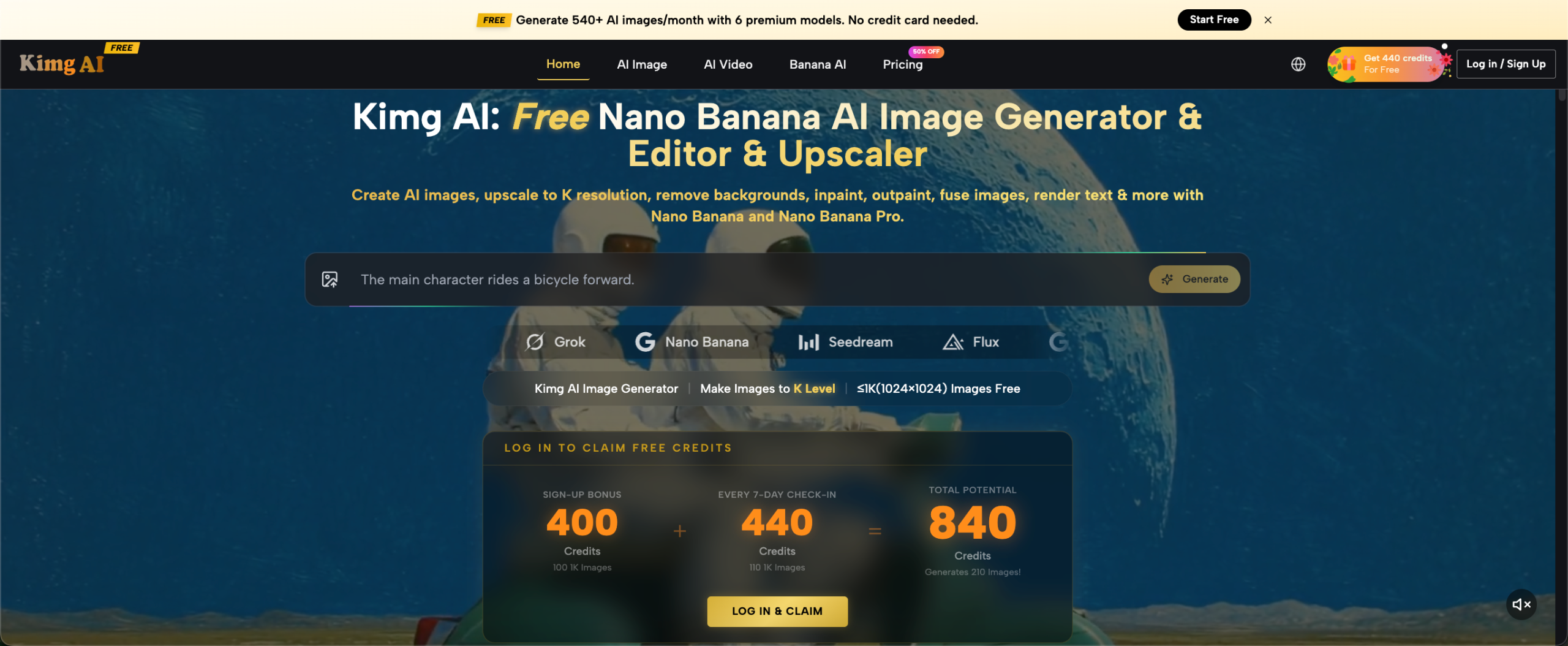
Kimg AI currently supports image-to-image editing through Nano Banana. That means an existing photograph can guide the result while you describe the change.
When using Nano Banana AI with a personal photo, specify what should remain unchanged. You might preserve the person’s face, pose, hairstyle, and clothing while asking for a simpler surrounding scene or a different artistic treatment.
Then compare the result with the source. A personalized greeting stops feeling personal if the recipient no longer looks like themselves.
From Generic to Personal: One Greeting Makeover
Imagine you are making a birthday card for a friend named Maya. Your original idea is simple: “Happy Birthday, Maya! Hope your day is full of happiness.”
You choose a generic image of a birthday cake.
Nothing is wrong with it, but nothing connects it to Maya either.
Now remember that Maya loves weekend pottery classes and keeps sending photos of slightly crooked mugs she has made.
Keep the written message, but change the visual concept. Create a warm scene with a handmade ceramic mug, a tiny birthday candle beside it, and a few pottery tools in the background.
You have not added private information or written a longer greeting. You have simply chosen a visual clue that belongs to the recipient.
The second card says, “I know you,” before Maya even reads the message.
Match the Message Tone With the Visual
A personal detail works best when the visual mood also matches your words.

点击图片可查看完整电子表格
Suppose your message says, “I know this year was difficult, and I’m proud of how far you’ve come.” A chaotic celebration scene may not fit the emotional weight of those words.
Likewise, a ridiculous inside joke probably does not need a formal, elegant visual.
Read the message aloud. The emotional tone you hear should help you choose the picture.
Do Not Make the Image Carry Every Word
A greeting image does not need to contain the full greeting.
If you put a long birthday paragraph, the person’s name, several decorative quotes, the date, and multiple visual elements into one image, the result can become harder to read.
Let the visual establish mood and recognition. Keep the meaningful message in the accompanying text, card body, or caption.
This also gives you more freedom to revise your words later without rebuilding the picture.
For example, a retirement greeting might show a quiet morning scene with a bicycle and coffee. Your written note can explain why those objects matter to the person.
The image opens the emotional door. Your words walk through it.
What Not to Change in a Personal Photo
Editing a real photo creates a different responsibility from generating an illustration.
Do not casually change characteristics that are part of the person’s identity simply because an edited version appears more polished. If facial features, age, body shape, skin tone, meaningful clothing, or a recognizable personal item changes unexpectedly, reconsider the result.
Also inspect the background for private details before sharing the finished greeting publicly.
A house number, workplace badge, school name, license plate, or private family photograph may not belong in a social post.
Personalization should make the recipient feel recognized, not exposed.
Sometimes the best decision is to use the original photograph with no AI edit at all. Authenticity can matter more than visual perfection.
Conclusion
A personal greeting does not become meaningful because it contains more hearts, flowers, confetti, or effects. It becomes meaningful when the recipient recognizes something of themselves in it. Start with the relationship, choose one specific memory, habit, hobby, achievement, or inside joke, and let that guide the visual. Use AI only when it helps express that idea more clearly. For your next birthday, anniversary, friendship, or congratulations message, ask one question first: what could I include that I would never put on somebody else’s card?